English
 ™
™

Successful construction projects require careful planning long before work begins on the job site. One of the most important parts of this early planning process is pre-construction estimating.
A detailed pre-construction estimate gives contractors, developers, and project teams a clearer understanding of expected costs before construction begins. It can help identify financial requirements, evaluate project feasibility, and establish a realistic budget.
For contractors preparing competitive bids, accurate early estimating can also provide valuable information for making informed pricing decisions.
What Is Pre-Construction Estimating?
Pre-construction estimating involves analyzing a project’s plans, specifications, scope, and other available information to develop an expected project cost before construction starts.
Depending on the project stage, the estimate may be based on preliminary drawings or more detailed construction documents.
As the project develops, estimates can become increasingly detailed and incorporate updated quantities, material selections, labor requirements, subcontractor pricing, and other project costs.
Why Early Cost Information Matters
Knowing the potential cost of a project early can help project stakeholders make important planning decisions.
An early estimate can help determine whether the proposed scope fits within an available budget. It can also highlight areas where costs may need further review before construction documents are finalized.
Identifying cost concerns early is generally more useful than discovering significant budget issues after construction has already started.
Understanding Project Scope
One of the first steps in pre-construction estimating is understanding the complete project scope.
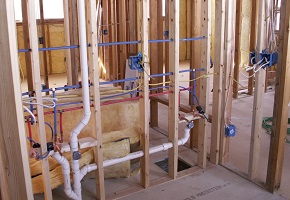
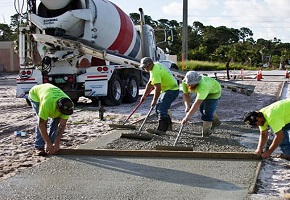
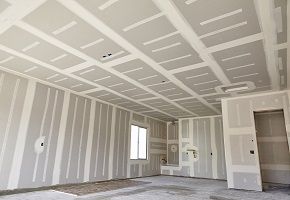
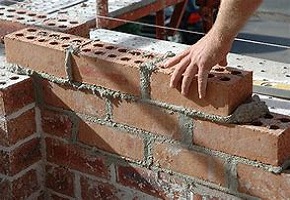
Estimators review available drawings and specifications to identify the work required. This may include structural work, architectural finishes, mechanical systems, electrical systems, plumbing, site work, and other components.
A clear understanding of the scope helps create a more complete cost picture.
Material and Labor Considerations
Material and labor costs are major components of most construction projects.
Pre-construction estimating considers the quantities and types of materials likely to be required, along with the labor associated with installing them.
As project information becomes more detailed, estimators can refine these calculations and develop a more precise understanding of expected construction costs.
Evaluating Different Project Options
Pre-construction estimates can also be useful when project teams are considering different design or material options.
For example, changing a finish, structural system, building component, or material specification may affect the overall project cost.
Comparing estimated costs during the planning stage can provide useful information when evaluating potential scope changes.
Identifying Potential Cost Risks
Construction projects can involve many cost variables. Material pricing, labor availability, project complexity, site conditions, and subcontractor requirements can all influence the final cost.
A detailed estimate allows these areas to be reviewed before construction begins.
While an estimate cannot eliminate every project risk, identifying potential cost issues early can help contractors and project teams plan more effectively.
Supporting Better Budget Planning
A realistic budget needs reliable cost information. Pre-construction estimating provides a structured way to organize expected expenses across different areas of the project.
This can include:
- Materials
- Labor
- Subcontractors
- Equipment
- General conditions
- Site work
- Finishes
- Other project-specific costs
Organizing these costs gives project stakeholders a clearer view of where the budget is expected to go.
From Preliminary Estimates to Final Bids
Pre-construction estimating is not always a single calculation. Estimates can evolve as the project develops.
A preliminary estimate may use limited project information, while later estimates can incorporate detailed drawings, specifications, quantities, and current pricing.
For contractors preparing a final bid, this progression provides an opportunity to review and refine project costs as more information becomes available.
Professional Estimating Support
Preparing detailed estimates can require substantial time and attention, particularly for commercial construction projects with large drawing sets and multiple trades.
Bid Estimators provides professional construction estimating and quantity takeoff services to help contractors analyze project documents and develop detailed cost information.
From early planning estimates to detailed bid preparation, professional estimating support can help contractors approach construction opportunities with better information.
Plan Your Next Project With Better Cost Information
Pre-construction estimating provides an important foundation for construction planning. By reviewing project scope, quantities, materials, labor, and other costs early, contractors and project teams can develop a clearer understanding of the financial requirements of a project.
Better cost information at the beginning of a project can support better planning throughout the construction process.
For contractors preparing their next commercial construction bid, investing in accurate estimating can be an important step toward building a more organized and informed bidding process.