English
 ™
™

Construction projects involve many financial decisions, from material purchases and labor costs to subcontractor pricing and equipment expenses. For contractors, one of the most important steps in controlling these costs happens before construction begins: preparing an accurate bid estimate.
A detailed construction estimate gives contractors a clearer understanding of what a project is expected to cost. It can also help identify potential cost risks, improve bid accuracy, and provide a stronger foundation for project planning.
Why Construction Cost Control Starts With Estimating
Cost control does not begin after construction starts. It begins during the estimating stage.
When contractors carefully review project drawings, specifications, quantities, labor requirements, and material pricing, they can develop a more realistic picture of the project’s expected expenses.
An incomplete estimate can create problems later. Missing quantities, overlooked scope items, or inaccurate pricing may result in unexpected costs that reduce the contractor’s profit margin.
A detailed estimate helps contractors identify these issues before submitting a bid.
Accurate Quantity Takeoffs Reduce Material Errors
Quantity takeoffs are an important part of the construction estimating process. They determine how much material and work will be required for a project.
Depending on the project, a takeoff may include:
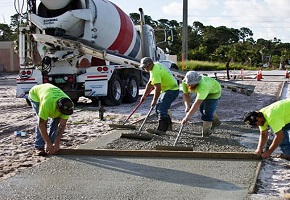
- Concrete
- Lumber
- Steel
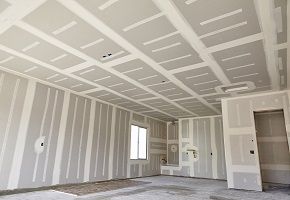
- Drywall
- Roofing materials
- Flooring
- Doors and windows
- Electrical components
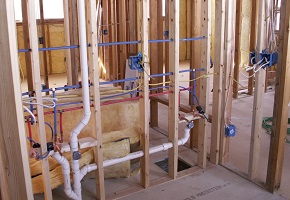
- Plumbing materials
- Finishes and fixtures
Accurate quantities help contractors plan purchases more effectively and reduce the risk of significantly underestimating material requirements.
Labor Costs Need Careful Analysis
Materials are only one part of construction costs. Labor can represent a substantial portion of a project’s overall budget.
Estimators need to consider the type and amount of work required, production expectations, crew requirements, and project conditions when developing labor costs.
Underestimating labor can have a direct effect on profitability. A detailed estimate provides contractors with a better basis for determining the labor required to complete the project.
Current Pricing Matters
Construction material and subcontractor costs can change over time. Using outdated pricing can make an otherwise detailed estimate less useful.
Professional estimating requires attention to current market pricing and project-specific requirements. Reviewing pricing carefully can help contractors prepare bids that better reflect expected project costs.
This is especially important for competitive bidding, where even relatively small pricing differences can affect the overall bid.
Subcontractor Costs Should Be Included
Many construction projects involve multiple trades and specialty contractors. Electrical, plumbing, HVAC, roofing, painting, concrete, and other work may require subcontractors.
If subcontractor costs are missing or incorrectly calculated, the final project cost can be significantly different from the original estimate.
A complete estimate should account for the relevant subcontractor scopes and their associated costs.
Estimating Helps Identify Potential Cost Risks
Every construction project has potential risks. Some may be related to project complexity, site conditions, material availability, labor requirements, or unclear scope.
A detailed review of drawings and specifications can help estimators identify areas that require additional attention before the bid is submitted.
Recognizing potential cost issues early gives contractors an opportunity to review the scope and pricing rather than discovering problems after the project has already started.
Better Estimates Support More Competitive Bids
Contractors often need to balance two important objectives: submitting a competitive bid and protecting project profitability.
A bid that is too high may make it harder to compete, while a bid that is too low may leave insufficient room to cover actual project costs.
Accurate estimating provides the information contractors need to make informed pricing decisions based on the project’s actual scope and expected costs.
Technology Makes Estimating More Efficient
Modern construction estimating tools can help professionals organize digital plans, calculate quantities, manage cost information, and prepare detailed estimates.
However, technology is only one part of the process. Accurate results still depend on careful plan review, correct measurements, appropriate pricing, and an understanding of the project’s requirements.
Combining technology with professional estimating knowledge can create a more efficient and organized estimating workflow.
Improve Your Construction Bidding Process
Accurate estimating is an important part of successful construction planning. By carefully analyzing quantities, labor, materials, subcontractors, and project requirements, contractors can develop bids based on a stronger understanding of expected costs.
Bid Estimators provides professional construction estimating services to help contractors prepare detailed and competitive bids. From quantity takeoffs to cost analysis, accurate estimating can give contractors better information when evaluating and pricing construction opportunities.
When contractors know their numbers before submitting a bid, they can approach the bidding process with greater clarity and better cost awareness.