English
 ™
™

Preparing a competitive construction bid requires more than calculating material and labor costs. Contractors must review project documents, measure quantities, evaluate subcontractor pricing, account for project expenses, and verify that every important part of the scope has been considered.
A structured bid preparation process helps contractors organize project information, reduce estimating mistakes, and make informed pricing decisions. Whether bidding on a commercial building, warehouse, office renovation, or another construction project, a reliable estimating workflow can make a significant difference.
1. Review the Project Documents
The first step in preparing a construction bid is understanding the complete project scope.
Contractors should review the available architectural drawings, structural plans, mechanical and electrical documents, specifications, bid instructions, and addenda.
This review helps identify the work required, the materials specified, and any special conditions that may affect the estimate.
Missing important details during this stage can lead to incomplete quantities or unexpected costs later.
2. Organize the Scope of Work
Breaking the project into individual trades and cost categories makes the estimating process easier to manage.
Depending on the project, these categories may include:
- Site work and excavation
- Concrete and foundations
- Structural steel and framing
- Roofing and exterior finishes
- Doors and windows
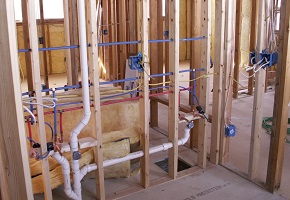
- Electrical systems
- Plumbing and HVAC
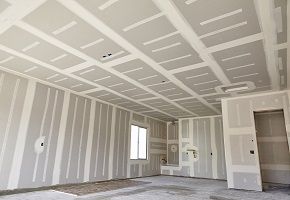
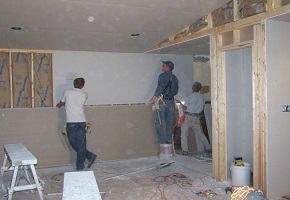
- Drywall and interior finishes
- Landscaping and site improvements
Organizing the scope helps estimators track the work that needs to be measured and priced.
3. Complete Accurate Quantity Takeoffs
Quantity takeoffs convert construction drawings into measurable quantities of materials and work.
Estimators may calculate square footage, linear footage, cubic quantities, and individual unit counts based on the project documents.
These quantities form the foundation of the estimate. If important measurements are missing or inaccurate, the final bid may not reflect the actual project requirements.
A systematic takeoff process helps contractors establish a clearer understanding of the work involved.
4. Calculate Material and Labor Costs
After determining quantities, contractors can apply appropriate material and labor pricing.
Material costs should reflect the specified products and available pricing information. Labor estimates should consider the type of work, expected productivity, installation requirements, and project conditions.
Equipment, delivery charges, and other applicable expenses should also be considered where relevant.
The objective is to develop a realistic picture of the resources and costs required to complete the project.
5. Review Subcontractor Quotes
Many construction projects require specialized trades. Electrical, plumbing, HVAC, roofing, painting, and other subcontractors may contribute significantly to the overall cost.
Contractors should review subcontractor quotations carefully to confirm that the proposed work aligns with the project’s requirements.
It is also important to identify exclusions, qualifications, and scope gaps that could affect the final bid.
6. Include Overhead and Appropriate Markup
A construction bid should account for more than direct project costs.
Depending on the contractor’s business and the project, pricing may need to include general conditions, overhead, contingency allowances where appropriate, and profit.
These amounts should be evaluated carefully so the final price reflects both the expected cost of performing the work and the contractor’s business objectives.
7. Check for Missing Costs and Scope Gaps
Before finalizing the estimate, compare the completed cost breakdown against the project drawings and specifications.
Review quantities, labor assumptions, material prices, subcontractor coverage, equipment requirements, and other relevant expenses.
Pay particular attention to items that cross between trades, since these areas can create confusion about who is responsible for specific work.
A final review can help identify potential omissions before the proposal is submitted.
8. Confirm Revisions and Bid Requirements
Construction documents can change during the bidding period. Addenda may modify dimensions, specifications, quantities, or other requirements.
Contractors should verify that the estimate reflects the applicable documents and that the bid follows the required submission instructions.
Deadlines, required forms, alternates, allowances, and requested supporting information should all be reviewed before submission.
9. Prepare a Clear and Competitive Bid
Once the estimate has been reviewed, contractors can use the cost information to determine their final bid price.
A competitive bid should be based on a clear understanding of the project scope and expected costs rather than an arbitrary price reduction.
Organized estimating information also makes it easier to explain pricing assumptions and evaluate future changes in the project scope.
Professional Construction Estimating Support
Preparing detailed construction bids can require substantial time, especially when contractors are working with extensive drawing sets or managing multiple bidding opportunities.
Bid Estimators provides professional construction estimating and quantity takeoff services to help contractors turn project documents into organized cost information.
With detailed quantities and structured cost analysis, contractors can spend more time evaluating opportunities and making informed bidding decisions.
Build a Stronger Bidding Process
Successful bid preparation depends on a consistent process. Reviewing project documents, organizing the scope, completing quantity takeoffs, calculating costs, checking subcontractor coverage, and verifying bid requirements all contribute to a more complete estimate.
No estimating process can eliminate every construction risk, but careful preparation can help contractors identify potential issues before submitting a proposal.
For contractors looking to improve their bidding workflow, accurate construction estimating provides an essential foundation for more informed project pricing.