English
 ™
™

Commercial construction projects involve multiple trades, materials, labor requirements, subcontractors, and project specifications. With so many cost components involved, contractors need reliable estimates before submitting a bid or committing resources to a project.
A detailed construction estimate provides a structured breakdown of the expected costs associated with a project. It helps contractors understand the scope of work, evaluate pricing, and prepare bids based on measurable project requirements rather than rough assumptions.
Understanding the Full Scope of Work
One of the first steps in commercial construction estimating is understanding exactly what the project requires.
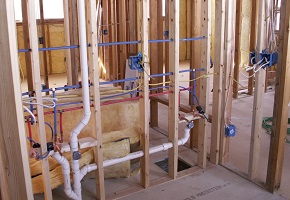
Estimators review architectural drawings, structural plans, specifications, and other project documents to identify the different components of the work. This can include site work, concrete, framing, roofing, electrical, plumbing, HVAC, finishes, and other construction activities.
A detailed scope review helps reduce the possibility of overlooking important work items.
Breaking the Project Into Cost Categories
Commercial projects can become difficult to price when all costs are treated as one large number. Breaking the estimate into individual categories makes the project easier to analyze.
Common estimating categories may include:
- Materials
- Labor
- Equipment
- Subcontractors
- Site work
- Interior finishes
- Mechanical systems
- Electrical work
- Plumbing
- General construction costs
Organizing costs this way allows contractors to review each part of the project and identify areas that may require additional attention.
Accurate Material Quantities
Material costs can represent a significant portion of a commercial construction budget. Accurate quantity takeoffs help determine how much material is required for the project.
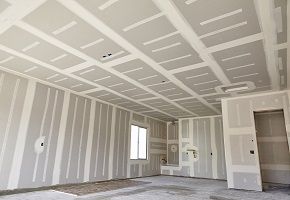
Estimators may calculate quantities for concrete, steel, lumber, drywall, flooring, roofing, doors, windows, fixtures, and many other materials.
When quantities are carefully measured from project documents, contractors have better information for applying current pricing and developing the overall bid.
Labor and Installation Costs
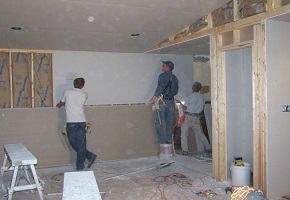
Materials alone do not determine the cost of construction. Every material also requires labor to install, assemble, finish, or otherwise incorporate it into the project.
Estimators consider the work involved and the labor requirements associated with different construction activities. This helps create a more complete picture of the expected project cost.
Accurate labor estimating can be especially important for projects involving multiple trades and complex installation requirements.
Subcontractor Pricing
Commercial construction frequently involves specialized subcontractors. Electrical, plumbing, HVAC, roofing, fire protection, painting, and other trades may each contribute to the overall project.
A detailed estimate should account for the relevant subcontractor scopes and associated costs. Reviewing these costs as part of the estimating process helps contractors avoid leaving important portions of the project outside the bid.
Supporting Competitive Bidding
Contractors often need to submit competitive bids while still accounting for the actual cost of performing the work.
An estimate based on detailed quantities, labor requirements, subcontractor costs, and current pricing provides a stronger foundation for determining the final bid amount.
Rather than relying solely on historical averages or rough calculations, contractors can use project-specific information to develop their pricing.
Identifying Cost Gaps Before Submission
A detailed estimating process also provides an opportunity to review the bid before it is submitted.
Estimators can check quantities, compare cost categories, review subcontractor scopes, and look for potentially missing items.
Finding a problem during the estimating stage is much easier than discovering an overlooked cost after the project has started.
The Value of Professional Estimating Services
Preparing a detailed commercial construction estimate can be time-consuming, particularly when projects contain large drawing sets and multiple trades.
Professional estimating services can provide contractors with additional support when they need detailed quantity takeoffs and cost analysis for upcoming bids.
Bid Estimators helps contractors with professional construction estimating and quantity takeoff services for a wide range of commercial projects. Detailed estimating can help turn complex project documents into organized cost information that contractors can use when preparing their bids.
Prepare Your Next Commercial Bid With Confidence
Commercial construction estimating is about more than calculating a final number. It involves understanding the project scope, measuring quantities, evaluating labor and materials, reviewing subcontractor costs, and organizing the information into a usable bid.
A detailed estimate gives contractors a clearer view of the financial requirements of a project before they submit their proposal.
For contractors looking to improve their bidding process, accurate project-specific estimating can provide a stronger starting point for evaluating and pricing commercial construction opportunities.