English
 ™
™

Accurate construction estimating begins with knowing exactly what a project requires. Before contractors can determine the total cost of a project, they need to understand the quantities of materials, labor, and work involved. This is where construction takeoffs play an important role.
A detailed quantity takeoff provides the foundation for calculating project costs and preparing competitive construction bids. Whether the project involves commercial buildings, renovations, warehouses, retail spaces, or other construction work, accurate takeoffs can help contractors make better pricing decisions.
What Is a Construction Takeoff?
A construction takeoff is the process of reviewing project drawings and specifications to determine the quantities of materials and work required.
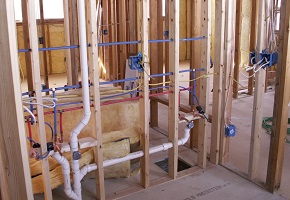
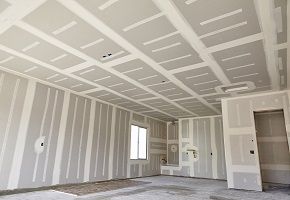
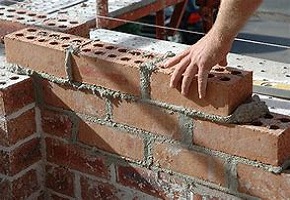
Depending on the project, a takeoff may include measurements for concrete, steel, lumber, drywall, flooring, roofing, doors, windows, electrical components, plumbing materials, and other construction elements.
The information gathered during the takeoff is then used to develop a detailed cost estimate.
Why Accurate Takeoffs Matter
Small errors in quantities can have a significant impact on the final cost of a construction project. If materials are underestimated, contractors may face unexpected expenses during construction. If quantities are overstated, the resulting bid may be unnecessarily high.
An accurate takeoff helps create a more reliable connection between the project plans and the final bid price.
This can help contractors:
- Understand the full project scope
- Calculate material requirements
- Estimate labor needs
- Develop detailed project costs
- Prepare competitive bids
- Reduce estimating errors
- Improve cost control
Reviewing Drawings and Specifications
A successful takeoff requires more than simply measuring dimensions on a drawing. Estimators must carefully review architectural, structural, mechanical, electrical, and other relevant documents.
Project specifications can also contain important information about materials, finishes, installation requirements, and quality standards.
Reviewing both drawings and specifications helps reduce the risk of overlooking work that may affect the final estimate.
Material Takeoffs
Material quantities are one of the most important parts of a construction takeoff. Estimators determine how much of each material is required based on the project’s plans and specifications.
For example, a commercial project may require quantities for concrete, reinforcing steel, framing materials, insulation, drywall, ceiling systems, flooring, doors, and finishes.
Once these quantities are established, current pricing can be applied to develop material costs.
Labor Estimating After the Takeoff
Quantity information also helps contractors estimate the labor required to complete the work.
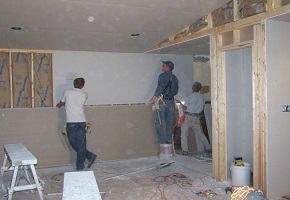
For example, knowing the amount of drywall, flooring, concrete, or framing involved provides a starting point for determining labor requirements.
Combining accurate quantities with appropriate labor assumptions can produce a more complete picture of the project’s expected cost.
Digital Takeoffs and Modern Estimating
Digital construction documents and estimating software have changed how many contractors approach quantity takeoffs. Digital tools can make it easier to measure plans, organize quantities, categorize work, and update estimates.
However, software does not replace careful review. Estimators still need to understand the project documents and verify that quantities accurately represent the required scope.
The most effective estimating workflows combine technology with careful analysis and professional experience.
Takeoffs Help Create Competitive Bids
Contractors often compete against multiple companies for the same project. Preparing a competitive bid requires a careful balance between pricing accurately and maintaining an appropriate profit margin.
A reliable takeoff provides the quantity information needed to build that bid.
Rather than relying on rough assumptions, contractors can use detailed quantities to support their material, labor, subcontractor, and overall project costs.
Professional Construction Takeoff Services
Preparing detailed takeoffs can require significant time, especially for large commercial projects with extensive drawings and specifications.
Professional estimating support can help contractors manage this workload while maintaining a structured approach to quantity calculations and cost analysis.
Bid Estimators provides professional construction estimating and quantity takeoff services for contractors working on a wide range of projects. Detailed takeoffs can help turn complex project documents into organized cost information that supports more informed bidding decisions.
Build a Stronger Estimate From the Start
A reliable construction estimate starts with reliable project quantities. By carefully reviewing drawings, specifications, materials, and labor requirements, contractors can develop bids that better reflect the actual scope of work.
Accurate takeoffs are not simply a measurement exercise—they are an important part of the overall construction estimating process.
With detailed quantity information and professional cost analysis, contractors can approach each bidding opportunity with a clearer understanding of the project and its expected costs.