English
 ™
™

Accurate construction bids begin with accurate quantities. Before contractors can calculate material costs, labor requirements, and overall project expenses, they need to know exactly what materials a project requires. This is where a detailed material takeoff becomes an essential part of the estimating process.
A material takeoff identifies the quantities of materials required for a construction project based on drawings, specifications, and other project documents. When performed correctly, it gives contractors a reliable foundation for preparing competitive and profitable bids.
What Is a Construction Material Takeoff?
A construction material takeoff is the process of reviewing project plans and determining the quantities of materials required to complete the work.
Depending on the project, a takeoff may include items such as:
- Lumber
- Concrete
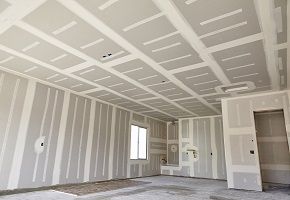
- Drywall
- Sheetrock
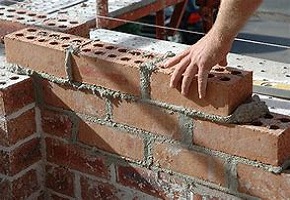
- Masonry materials
- Flooring
- Roofing materials
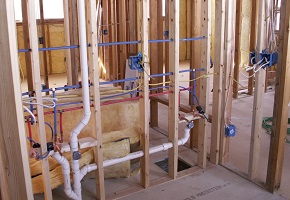
- Plumbing materials
- Electrical components
- Paint and finishes
- Sitework and earthwork materials
The information collected during the takeoff can then be combined with current material pricing, labor costs, equipment expenses, and other project costs to develop a complete estimate.
Why Accurate Takeoffs Matter
A small quantity error can become a significant financial problem when multiplied across a large construction project.
For example, underestimating the amount of concrete, lumber, drywall, or other major materials can leave a contractor with unexpected costs after the project begins. Overestimating quantities can also make a bid unnecessarily expensive and reduce the contractor’s chances of winning the work.
An accurate takeoff helps contractors create bids that are both competitive and financially realistic.
Material Takeoffs Help Contractors Save Time
Reviewing drawings and manually calculating quantities can be extremely time-consuming, particularly for contractors handling several bid opportunities at once.
Professional estimating teams can take on this detailed work, allowing contractors to spend more time managing projects, communicating with clients, finding new opportunities, and growing their businesses.
Outsourcing takeoff work can also help contractors respond to more bid opportunities without maintaining a large in-house estimating department.
Takeoffs Support Better Cost Control
A material takeoff does more than provide a list of quantities. It gives contractors a clearer understanding of where project costs are coming from.
Once quantities are established, contractors can apply appropriate regional material pricing and labor costs to develop a more complete picture of the project’s expected expenses.
Bid Estimators states that its estimating process uses pricing based on zip code and region rather than relying only on generalized pricing. This approach can help make estimates more relevant to the location of a project.
Takeoffs Reduce the Risk of Missing Materials
Construction drawings can contain hundreds or even thousands of individual details. Missing a small component during the estimating process can create problems later.
A systematic takeoff helps estimators review the plans carefully and account for the materials associated with each portion of the project.
This is particularly important for projects involving multiple trades and CSI divisions, where overlooking one category can affect the overall bid.
Digital Tools Make Takeoffs More Efficient
Modern estimating technology has changed the way contractors and professional estimators perform quantity takeoffs.
Digital plans and takeoff software can help estimators measure drawings, organize quantities, calculate areas and lengths, and maintain consistent documentation. These tools can reduce repetitive manual work while making it easier to review and update estimates when project documents change.
However, technology is only part of the process. Experienced estimators still need to understand construction documents, project scope, materials, labor requirements, and the practical realities of construction.
When Should Contractors Consider Outsourcing Takeoffs?
Outsourcing can be especially useful when a contractor:
- Has multiple projects to bid at the same time
- Does not have an in-house estimator
- Needs to meet a short bidding deadline
- Wants to bid on more projects
- Needs detailed quantity information
- Wants to reduce estimating overhead
- Requires estimates for specialized trades
Bid Estimators provides construction estimating and material takeoff services for contractors, developers, owners, architects, and designers across North America. Its services cover residential, commercial, and industrial construction and include multiple trade-specific estimating services.
Final Thoughts
A competitive construction bid depends on understanding the project’s true costs. Material takeoffs provide the quantity information contractors need before they can accurately price materials, labor, equipment, and other expenses.
By using detailed takeoffs and current regional pricing, contractors can reduce estimating errors, improve bid consistency, and make better decisions about which projects to pursue.
For busy contractors, professional material takeoff and construction estimating services can also save valuable time while providing the detailed information needed to prepare stronger bids.
Need help with your next construction estimate? Submit your plans and specifications to Bid Estimators for professional estimating and material takeoff services. The company states that estimates and material takeoffs can be delivered within 24–48 hours depending on project requirements.