English
 ™
™

Preparing a construction bid requires careful attention to project drawings, specifications, quantities, labor, materials, subcontractors, and other costs. Even a small estimating error can affect the accuracy of a bid and create challenges later in the project.
A structured review process can help contractors identify potential mistakes before a proposal is submitted. By carefully checking the estimate and verifying the project scope, contractors can build bids on more reliable cost information.
Start With a Complete Review of Project Documents
One of the most common sources of estimating problems is incomplete review of the available project information.
Before beginning a takeoff, estimators should review the relevant architectural, structural, mechanical, electrical, and other drawings along with the project specifications.
Understanding the complete scope helps reduce the chance of missing work that should be included in the bid.
Verify Quantity Takeoffs
Quantity takeoffs form the foundation of many construction estimates. If the quantities are incorrect, the resulting material and labor costs may also be inaccurate.
Estimators should carefully verify measurements for major construction components and check that quantities correspond with the latest project drawings.
Important areas may include:
- Concrete
- Framing
- Steel
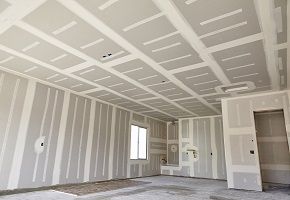
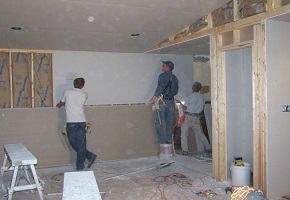
- Drywall
- Flooring
- Roofing
- Doors and windows
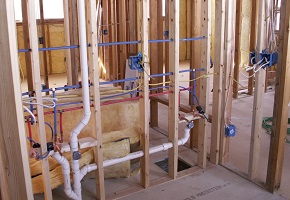
- Electrical components
- Plumbing materials
- Finishes
A second review of important quantities can help identify measurement errors before pricing is finalized.
Check Material Pricing
Construction material prices can change, so estimates should use appropriate and current pricing information for the project.
Estimators should review unit costs and make sure the pricing reflects the materials and specifications actually required.
Using an incorrect material price can significantly affect the total estimate, particularly on projects with large material quantities.
Review Labor Requirements
Labor is another major component of construction costs. Estimators should review whether the assumed labor requirements are appropriate for the scope of work.
Different construction activities require different levels of labor, skills, production rates, and installation time.
A detailed review can help ensure that labor costs are not overlooked or underestimated.
Confirm Subcontractor Scope
Commercial construction projects often involve multiple subcontractors. Missing part of a subcontractor’s scope can create a significant gap in the final bid.
Before submitting an estimate, contractors should review the scope assigned to each relevant trade and confirm that associated costs have been included.
Electrical, plumbing, HVAC, roofing, painting, concrete, and specialty trades may all need separate consideration depending on the project.
Look for Scope Gaps
A final estimate review should look beyond individual quantities and prices.
Estimators should ask whether every major part of the project has been accounted for. Comparing the estimate against the drawings and specifications can help identify missing scope items.
This process can be particularly useful for complex commercial projects where multiple trades overlap.
Compare the Estimate With the Project Requirements
The final estimate should reflect the actual project documents rather than assumptions based on similar past projects.
Project size, specifications, finishes, site conditions, and construction requirements can vary significantly.
Reviewing the estimate against the current project requirements helps ensure that the bid is based on the work actually described in the plans.
Create a Final Bid Review Process
A consistent final review process can make estimating more organized.
Before submitting a bid, contractors can review:
- Project scope
- Quantity takeoffs
- Material pricing
- Labor costs
- Subcontractor costs
- Equipment requirements
- Project-specific requirements
- Major exclusions or assumptions
- Overall bid calculations
A structured checklist can help reduce the chance of overlooking an important cost category.
Professional Estimating Support for Contractors
Reviewing a large construction estimate takes time and attention to detail. Professional estimating support can help contractors manage quantity takeoffs and cost calculations when preparing competitive bids.
Bid Estimators provides professional construction estimating and quantity takeoff services for contractors working on commercial construction projects. Detailed project analysis can help transform drawings and specifications into organized cost information for bidding.
Build More Reliable Bids
Estimating accuracy begins with a careful understanding of the project. Reviewing drawings, verifying quantities, checking pricing, analyzing labor, and confirming subcontractor scope can all contribute to a more complete estimate.
Before submitting your next construction bid, taking the time to review the details can help identify potential estimating errors and provide a stronger foundation for your final proposal.