English
 ™
™

Construction material prices can change throughout the bidding and building process. Fluctuations in the cost of steel, lumber, concrete, roofing, electrical supplies, and other materials can affect project budgets and contractor profitability.
For contractors preparing competitive bids, understanding material costs is essential. Accurate construction estimating helps organize material quantities, evaluate pricing, and develop a more reliable picture of the project’s expected expenses before submitting a proposal.
Why Material Price Fluctuations Matter
Material costs represent a significant portion of many construction budgets. When prices change between the estimating stage and material purchasing, the actual project cost may differ from the original estimate.
For example, a commercial project requiring large quantities of structural steel or concrete may be particularly sensitive to changes in supplier pricing.
Without careful cost analysis, contractors may underestimate their expenses or submit bids based on outdated information.
Start With Accurate Material Takeoffs
Before evaluating material prices, contractors need to know how much material the project requires.
A detailed quantity takeoff identifies the materials and quantities needed based on project drawings and specifications. Depending on the project, this may include:
- Concrete and reinforcing steel
- Structural steel and metal components
- Lumber and framing materials
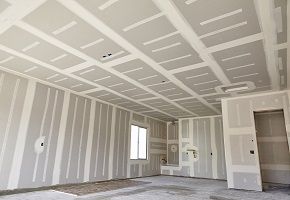
- Drywall and insulation
- Roofing materials
- Flooring and interior finishes
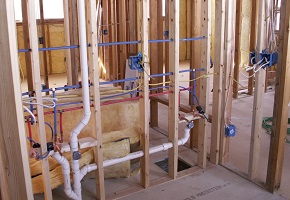
- Electrical and plumbing supplies
- Doors, windows, and fixtures
Accurate quantities provide a stronger foundation for calculating material costs and comparing supplier prices.
Use Current Pricing Information
An estimate is only as useful as the pricing information behind it. Using outdated material prices can create a gap between estimated and actual expenses.
Contractors should review current supplier quotations, available pricing data, and project-specific material requirements when preparing a bid.
For materials with potentially volatile prices, obtaining updated quotations closer to the bidding deadline can help improve cost accuracy.
Consider Waste and Material Requirements
Material estimates should account for the requirements of the actual project, including appropriate allowances for cutting, installation, breakage, and waste where applicable.
These allowances vary depending on the material, installation method, project conditions, and contractor practices.
A well-prepared takeoff helps contractors distinguish between the quantities required by the plans and the additional quantities that may be necessary for practical installation.
Review Supplier Quotes Carefully
Supplier quotations can differ in price, availability, delivery conditions, and included services.
When comparing quotes, contractors should confirm that the products meet the project specifications and that the quoted quantities and terms are appropriate.
Delivery charges, minimum order requirements, lead times, and quotation expiration dates may also affect the total material cost.
Understand the Impact on Bid Pricing
Material price changes can affect the overall bid even when the original quantity calculations are correct.
Contractors should evaluate how material costs influence their total project expenses and determine appropriate pricing based on the project requirements and business objectives.
Where permitted by the contract and applicable bidding requirements, clearly defined escalation provisions may help address certain future price changes. Their suitability depends on the project, contract terms, and client requirements.
Plan Procurement Early
Early procurement planning can help contractors identify materials with longer lead times or pricing that requires additional attention.
A detailed estimate provides useful information about material quantities and expected costs, helping the project team prioritize purchasing decisions.
However, purchasing too early can also create storage, cash-flow, and handling challenges. Procurement decisions should consider the construction schedule and the project’s overall requirements.
How Professional Estimating Services Can Help
Managing material quantities and pricing across multiple construction projects can be time-consuming. Contractors need organized information to review costs, update estimates, and prepare competitive bids.
Bid Estimators provides professional construction estimating and quantity takeoff services to help contractors analyze project documents and develop detailed cost information.
Accurate takeoffs and organized estimates can support better material cost analysis and help contractors make informed decisions during bid preparation.
Prepare Your Next Bid With Better Cost Information
Material price fluctuations are a reality of construction, but contractors can improve their preparation by using accurate quantities, reviewing current pricing, checking supplier quotations, and planning procurement carefully.
A detailed construction estimate does not eliminate market uncertainty. It gives contractors a clearer understanding of expected costs and a stronger foundation for evaluating potential risks.
For contractors preparing their next construction bid, accurate material takeoffs and reliable cost information are essential steps toward more informed pricing decisions.