English
 ™
™

A Complete Guide for Contractors
Accurate construction estimates are one of the most important parts of running a successful contracting business. Before a project begins, contractors need to understand how much materials, labor, equipment, and other expenses will cost. A well-prepared estimate can help contractors submit competitive bids while protecting their expected profit margin.
However, preparing a detailed construction estimate can take considerable time and requires knowledge of construction costs, plans, specifications, quantities, and local pricing. This is why many contractors turn to professional construction estimating services.
What Are Construction Estimating Services?
Construction estimating services involve calculating the expected costs required to complete a construction project. Professional estimators review architectural drawings, engineering plans, specifications, and other project documents to determine material quantities, labor requirements, and associated costs.
A complete construction estimate may include:
- Material quantities and costs.
- Labor quantities and labor costs.
- Equipment costs.
- Subcontractor costs.
- General conditions.
- Overhead and indirect costs.
- Project-specific expenses.
- Construction markup and profit considerations.
The goal is to provide contractors with reliable cost information that can be used when preparing a construction bid.
Why Accurate Construction Estimates Matter
A construction bid that is too high may cause a contractor to lose the project to competitors. On the other hand, a bid that is too low can create serious financial problems once construction begins.
Accurate estimating helps contractors find the right balance between competitiveness and profitability.
Professional estimates can help contractors:
- Prepare more competitive bids.
- Understand project costs before bidding.
- Reduce estimating mistakes.
- Identify material requirements.
- Plan labor requirements.
- Reduce unnecessary material waste.
- Protect profit margins.
- Save valuable estimating time.
For busy contractors, outsourcing estimating work can also allow their internal team to focus on project management, sales, clients, and field operations.
What Is Included in a Construction Estimate?
Every project is different, but professional construction estimates generally involve several important components.
Material Takeoffs
A material takeoff identifies the quantities of materials required for a project. Depending on the project, this can include concrete, lumber, drywall, masonry materials, flooring, roofing materials, plumbing components, and other construction products.
Accurate quantity takeoffs are important because even relatively small errors can become expensive when multiplied across a large project.
Labor Costs
Labor is another major part of construction estimating. Estimators consider the work required, labor quantities, productivity, and applicable labor rates when developing the estimate.
Understanding labor costs allows contractors to create bids that account for the actual work involved rather than relying on rough assumptions.
Equipment and Other Costs
Some projects require specialized equipment, machinery, temporary facilities, transportation, or other expenses. These costs need to be considered before submitting a bid.
A detailed estimate helps contractors create a more complete picture of the project’s expected expenses.
Construction Estimating for Different Types of Projects
Professional estimating services can be useful for many types of construction projects.
Residential Construction
Residential estimating can be used for new homes, renovations, additions, remodeling projects, and other residential work.
A detailed estimate allows builders and contractors to understand expected material and labor costs before construction begins.
Commercial Construction
Commercial projects often involve larger scopes, multiple trades, complex specifications, and significant material quantities. Professional commercial construction estimating can help contractors evaluate these requirements before submitting a bid.
Industrial Construction
Industrial projects can involve specialized materials, equipment, and construction requirements. Detailed estimating helps contractors understand the financial scope of the project and prepare bids based on project documentation.
Why Contractors Outsource Construction Estimating
Estimating can be time-consuming. Contractors who manage multiple projects or bid opportunities may not always have enough time to prepare every estimate themselves.
Outsourcing construction estimating can provide several advantages.
Save Time
Professional estimators can handle the detailed work involved in reviewing plans, calculating quantities, researching costs, and preparing estimate documents.
Improve Bid Accuracy
Experienced estimators understand how to analyze construction documents and identify the quantities and costs associated with different project components.
Bid on More Projects
When estimating work is outsourced, contractors can potentially respond to more bid opportunities without adding a full-time estimating department.
Reduce Overhead
Maintaining an in-house estimating team can involve salaries, software, training, and other expenses. Outsourcing may provide contractors with access to professional estimating expertise without the same fixed overhead.
Why Choose Professional Construction Estimators?
Construction estimating requires more than simply adding up material prices. Estimators must understand drawings, specifications, construction methods, labor requirements, quantities, and regional pricing.
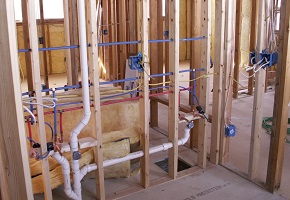
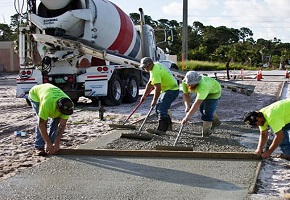
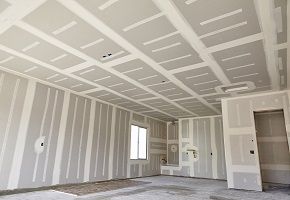
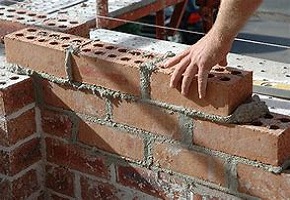
Bid Estimators provides construction estimating and material takeoff services for contractors, developers, owners, architects, and designers. The company states that its services cover residential, commercial, and industrial projects and include trade-specific estimating such as concrete, plumbing, painting, drywall, masonry, lumber, sitework, and earthwork.
The company also provides estimates with material and labor quantities and pricing, delivered in Excel, a client template, or its own template depending on the project’s requirements.
How the Construction Estimating Process Works
The process generally begins when the contractor submits project drawings, specifications, and other relevant documents.
The estimator then reviews the documents to determine the project’s scope and prepare a quote. Once the estimating work begins, the team analyzes quantities, materials, labor, and pricing.
The completed estimate can then be delivered to the contractor for review and use during the bidding process.
Bid Estimators states that its standard turnaround can be as fast as 24–48 hours, depending on the project and requirements.
Final Thoughts
Accurate construction estimating is essential for contractors who want to submit competitive bids without putting their profitability at risk. From material takeoffs and labor calculations to project-specific pricing, every part of an estimate can influence the outcome of a construction bid.
Working with professional construction estimating services can help contractors save time, improve bid preparation, and make more informed decisions before committing to a project.
For contractors who want to bid more and win more, professional estimating can be an important part of a successful construction business strategy.
Need a construction estimate? Bid Estimators provides professional construction estimating and material takeoff services for projects across North America. Submit your plans and specifications to get started.